Did I Just Get Scammed in France? A Tourist Safety Guide
December 8, 2025 at 7:41:41 PM
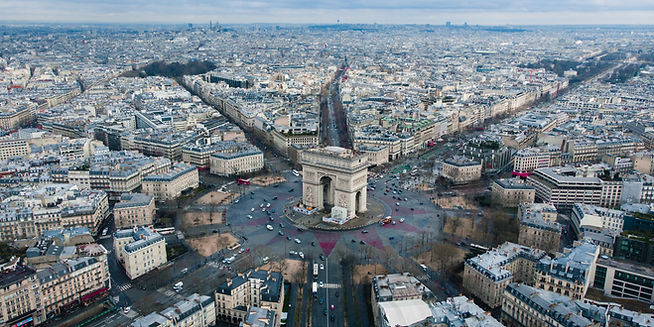

France is one of the world’s most popular tourist destinations, attracting millions to Paris, Nice, Lyon, Bordeaux, and Marseille every year. With iconic attractions like the Eiffel Tower, Louvre Museum, and the French Riviera, tourists can be easy targets for scams. This guide helps visitors identify scams, avoid them, and know how to respond if something suspicious happens.
1. Common Tourist Scams in France
France has its share of tourist-targeted schemes. Awareness is the first step to prevention.
1.1 Street Scams
“Friendship bracelets” or “rings” scams: A person approaches offering a bracelet or ring for free, then demands money after you accept it.
Petitions or petitions for charity: Often in Paris near museums or monuments; once you sign, they ask for donations.
Street performances: Some performers overcharge or demand money after posing for a photo.
Tip: Politely decline unsolicited offers; never engage if unsure.
1.2 Transportation Scams
Taxi overcharging: Especially at airports or train stations. Always confirm the meter is on or pre-agree on a fare.
Fake taxi apps: Only use verified apps like G7 Taxi or Uber in approved cities.
Pickpockets on public transport: Metro, buses, and RER trains in Paris are notorious for pickpocketing.
1.3 Accommodation Scams
Fake vacation rentals: Some online listings don’t exist or aren’t accessible upon arrival.
Hidden fees: Extra service charges or taxes may not be disclosed upfront.
Impersonation emails: Fraudulent messages posing as hotels asking for payment.
Tip: Book through trusted platforms and confirm your stay ahead of time.
1.4 Food & Drink Scams
Menu switch: Tourists sometimes get charged more than locals due to “tourist menus.”
Service charges: French law allows “service compris” (service included), but some places may mislead tourists.
Overpriced drinks or desserts: Common near major landmarks.
Tip: Check menus carefully and ask about charges upfront.
1.5 Shopping Scams
Fake luxury items: Especially in Parisian markets and near tourist hotspots.
Overcharging: Negotiation is sometimes possible in markets; avoid high-pressure sellers.
Unreceipted sales: Always ask for receipts for valuables.
1.6 Online / Booking Scams
Fake tours: Websites offering non-existent guided tours or museum tickets.
Phishing emails: Requests for payment or personal information claiming to be hotels or agencies.
2. Red Flags That You’ve Been Scammed
Sudden increase in price or new fees
High-pressure requests for payment
Deals that seem too good to be true
Requests for cash only
Unofficial or unverifiable credentials
Feeling rushed or intimidated
3. How to Respond if You’re Scammed
Stay calm: Avoid confrontation; scammers may escalate.
Document evidence: Take photos, save receipts, and note details.
Report to police: File a report with Police Nationale or local authorities.
Contact your embassy: They can offer guidance and assistance.
Use official customer service: Hotels, taxis, and attractions often have verified complaint channels.
Warn others online: Sharing your experience helps other travelers.
4. Prevention Tips for Tourists
4.1 Research Before Traveling
Read up on common scams for each city.
Use travel forums, blogs, and official tourism websites.
4.2 Stick to Reputable Services
Book hotels, rentals, and tours through verified platforms.
Avoid street vendors selling high-value items.
4.3 Be Cautious with Strangers
Politely decline unsolicited offers.
Avoid accepting help or goods unless requested.
4.4 Keep Cash and Cards Secure
Use anti-theft pouches or hotel safes.
Avoid carrying all cash at once.
4.5 Verify Before Paying
Double-check menus, receipts, and online bookings.
Confirm prices before service is rendered.
5. City-Specific Red Flags
Paris: Petty theft on Metro lines, friendship bracelet scams near Sacré-Cœur, taxi overcharging at airports.
Nice: Overpriced beach chairs, unauthorized parking fees, street performers asking for money.
Lyon: Fake ticket sellers near Old Town, pickpockets at train stations.
Bordeaux: Street hustlers and fake wine tasting tours.
6. Tips for Family Travelers
Keep kids close in crowded tourist areas.
Teach teenagers about common scams.
Use group payment tracking apps.
Explain common scams before arrival.
7. Why France Is Still Safe
Despite scams, France is generally safe for tourists. With preparation, vigilance, and awareness, most travelers enjoy Parisian streets, French cuisine, and iconic landmarks without incident.
8. Conclusion
France’s beauty, history, and culture are worth every visit. By understanding the common tourist scams, red flags, and prevention strategies, visitors can focus on experiencing the country safely and confidently.
Remember: Awareness is the best defense against scams. Enjoy your French adventure while staying alert and prepared.


